

Animals
FEATURED SPECIES
Malayan Tiger
QUICK FACT
Each tiger’s stripes are unique just like our fingerprints.
View DetailsAfrican Painted Dog
SCIENTIFIC NAME
Lycaon pictus
CONSERVATION STATUS
QUICK FACT
African painted dogs are social and intelligent. They live in packs and cooperate in caring for wounded and sick members and the entire pack is involved in the welfare of the pups. Both males and females babysit the young and provide food for them.
LOCATION
African painted dog habitat
North American Black Bear
SCIENTIFIC NAME
Ursus americanus
CONSERVATION STATUS
QUICK FACT
North American black bears are the most widely distributed bear in the US. The greatest threat to black bears is human conflict.
LOCATION
Black Bear Falls
Animal DetailsChimpanzee
SCIENTIFIC NAME
Pan troglodytes
CONSERVATION STATUS
QUICK FACT
One of humans’ closest relatives, chimpanzees live in socially complex societies. They are known for their prolific use of tools, such as using sticks to fish termites out of mounds or bunches of leaves to collect water.
LOCATION
Chimp Ridge
Animal DetailsKing Cobra
SCIENTIFIC NAME
Ophiophaghus hannah
CONSERVATION STATUS
QUICK FACT
King cobras are the longest venomous snake in the world, with documented lengths of over 15ft. In the wild, they primarily consume other snakes and lizards, but in human care they will eat rodents or quail. They are an intelligent species that commands respect.
LOCATION
Amphibian and Reptile Conservation Campus (ARC)
Giraffe
SCIENTIFIC NAME
Giraffa camelopardalis
CONSERVATION STATUS
QUICK FACT
Giraffe populations in the wild have faced a “silent extinction,” with fewer giraffes than elephants in Africa.
LOCATION
Grasslands Africa!
Animal DetailsBaby Western Lowland Gorilla
SCIENTIFIC NAME
Gorilla gorilla gorilla
CONSERVATION STATUS
QUICK FACT
Western lowland gorillas are social primates living in family or bachelor groups. A leafy diet keeps them foraging or digesting.
LOCATION
Gorilla Valley
Animal DetailsWestern Lowland Gorilla
SCIENTIFIC NAME
Gorilla gorilla gorilla
CONSERVATION STATUS
QUICK FACT
Western lowland gorillas are social primates living in family or bachelor groups. A leafy diet keeps them foraging or digesting.
LOCATION
Gorilla Valley
Animal DetailsGuinea Hog
SCIENTIFIC NAME
Sus scrofa scrofa
CONSERVATION STATUS
QUICK FACT
The American Guinea Hog is a small, black, landrace swine breed unique to the United States.
LOCATION
Kids Cove
Animal DetailsNorth American River Otter
SCIENTIFIC NAME
Lontra canadensis
CONSERVATION STATUS
QUICK FACT
The playful North American river otter is well adapted for semi-aquatic living. They can stay underwater for eight minutes. Their snow and mud sliding, tail chasing, and water play help strengthen social bonds and let young otters practice hunting techniques.
LOCATION
Otter Creek
Animal DetailsRaccoon
SCIENTIFIC NAME
Procyon lotor
CONSERVATION STATUS
QUICK FACT
Raccoons are omnivores. They are nocturnal and search for food at night. Raccoons are able to get food that other animals cannot because they have nimble hand-like paws that can grasp tree branches, nuts, fruits, and even the lids of garbage cans.
LOCATION
The Night Club in Kids Cove
Malayan Tiger
SCIENTIFIC NAME
Panthera tigris jacksoni
CONSERVATION STATUS
QUICK FACT
Each tiger’s stripes are unique just like our fingerprints.
LOCATION
Tiger Forest
Animal DetailsBog Turtle
SCIENTIFIC NAME
Glyptemys muhlenbergii
CONSERVATION STATUS
QUICK FACT
Bog turtles are one of the smallest species of turtle, and one of the most threatened with extinction. Over the decades their habitats have been drained for agricultural purposes, leaving the turtles with less and less habitat to call home.
LOCATION
Amphibian and Reptile Conservation Campus (ARC)
Animal DetailsHamadryas Baboon
SCIENTIFIC NAME
Papio hamadryas
CONSERVATION STATUS
QUICK FACT
Hamadryas baboons live in complex social troops of several hundred monkeys in Ethiopia, Somalia, Saudi Arabia, and Yemen.
LOCATION
Valley of the Kings
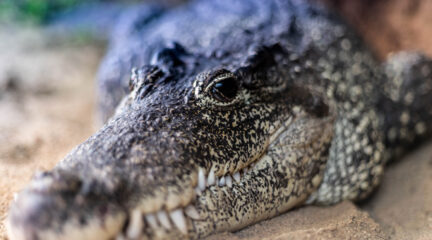
Cuban Crocodile
SCIENTIFIC NAME
Crocodylus rhombifer
CONSERVATION STATUS
QUICK FACT
Cuban crocodiles are a medium sized crocodilian and are found only (naturally) in the Zapata Swamp in southern Cuba.
LOCATION
Amphibian and Reptile Conservation Campus (ARC)
Animal DetailsBat-Eared Fox
SCIENTIFIC NAME
Otocyon megalotis
CONSERVATION STATUS
QUICK FACT
The bat-eared fox is a small, African fox known for its enormous ears, which are over 5 inches tall. The ears are full of blood vessels that shed heat and help keep the fox cool; they also give the fox a very good sense of hearing.
LOCATION
Grasslands Africa!
White-Handed Gibbon
SCIENTIFIC NAME
Hylobates lar
CONSERVATION STATUS
QUICK FACT
Gibbons are the smallest apes and swing through trees using their arms. This branch-to-branch movement is called brachiation.
LOCATION
Asian Trek
Animal DetailsOberhasli Goat
SCIENTIFIC NAME
Capra hircus
CONSERVATION STATUS
QUICK FACT
The Oberhasli, also known as the Oberhasli Brienzer, is a Swiss dairy goat developed in the mountainous cantons of Bern, Freiburg, Glarus, and Graubunden in Switzerland.
LOCATION
Kids Cove
Animal DetailsSilvered Leaf Langur
SCIENTIFIC NAME
Trachypithecus cristatus
CONSERVATION STATUS
QUICK FACT
Silvered leaf langurs are arboreal monkeys living in coastal, mangrove, and riverine forests in Malaysia, Sumatra, Borneo, & Java.
LOCATION
Asian Trek
Red Panda
SCIENTIFIC NAME
Ailurus fulgens fulgens
CONSERVATION STATUS
QUICK FACT
Red pandas are the only living members of the Ailuridae family. Native to Asia, they face endangerment due to habitat loss.
LOCATION
Red Panda Village
Animal DetailsLinnaeus’s Two-Toed Sloth
SCIENTIFIC NAME
Choloepus didactylus
CONSERVATION STATUS
QUICK FACT
Slow and steady describe this species perfectly. Linnaeus two-toed sloths are nocturnal and spend most of their time resting in the tops of trees.
LOCATION
Amphibian and Reptile Conservation Campus (ARC)
Animal DetailsRed Wolf
SCIENTIFIC NAME
Canis rufus
CONSERVATION STATUS
QUICK FACT
The red wolf is one of two species of wolves in North America, along with the gray wolf (Canis lupus).
LOCATION
Nature Trail
Animal DetailsAnimal Encounters
Cuban Crocodiles
Get ready to meet snappy personalities Miguel and Rose, our critically endangered crocs, at our Cuban Crocodile feeding session!
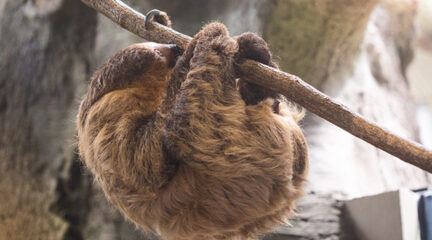
Joe the Sloth
Step into the slow lane and hang out with Joe the Sloth, at the ARC! Watch as this slow-moving superstar descends from the trees for a snack and an unforgettable close-up encounter.
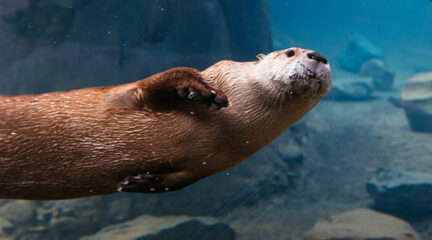
Otters
Dive into fun at our Otter Encounter with our resident river otters Clayton, Reed, and Pascal, champions of clean water!
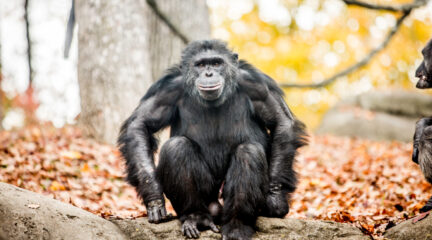
Great Apes
Step into the wild world of our gorilla and chimpanzee families! Hang out with our Great Ape caretakers and get the inside scoop on these fascinating family dynamics.
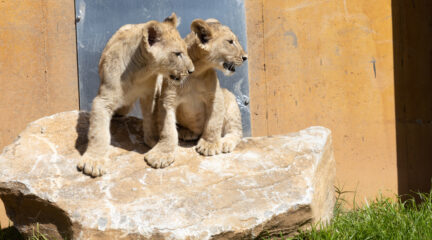
Lions or Baboons
Get a front-row seat as the powerful lions or intelligent baboons show off their skills in a special encounter!
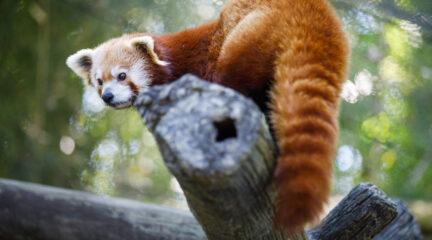
Red Pandas
Get ready for an encounter that will steal your heart! At Zoo Knoxville’s Red Panda Encounter, you’ll come face-to-face with one of our most beloved residents. Perfect for animal lovers!
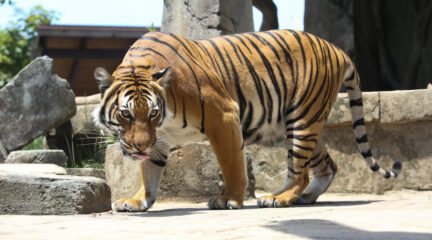
Tigers
Prowl over to the Tiger Temple Encounter area and come face to face with the majestic Malayan tigers, Tahan and Batari!
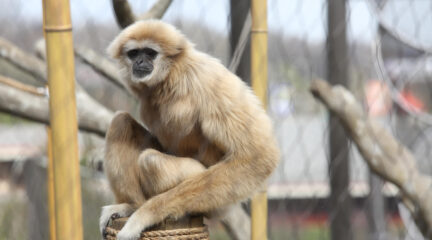
Gibbons or Langurs
Head up two stories to the Gibbon Encounter to meet Georgie and Malay, or jump down into Langur Landing to see our awesome langurs. Prepare for an exhilarating encounter with our aerial acrobats!
Giraffe Feeding
Get eye-to-eye with our tallest residents! Guests will have the chance to hand-feed a giraffe and watch their long tongues gently grab a snack right from your hand. It’s a fun, up-close encounter perfect for all ages.
Tortoise Trail
Get ready for a slow and steady adventure on our Tortoise Trail experience! Join our guided mini tour, where you’ll have the chance to get up close and personal with our Madagascar Radiated and Aldabra Tortoises. Feel the texture of their shells, give them a gentle scratch, and even feed them! If you’re lucky, you might witness their hilarious “booty shaking” behavior when brushed on the rump of their shell. $5/person
Budgie Landing
Step into the vibrant world of Budgie Landing, where over 250 budgies and 50 parakeets call home! Experience the lively aviary as colorful birds flutter and chirp all around you. With the chance to interact with these charming feathered friends up close, it’s an adventure that will leave you feeling like a part of their flock! $2 to feed.
Langurs
Get ready for some high-flying fun at our Langur Encounter! Meet our curious and agile silvered-leaf langur family in the stunning Langur Landing. Watch as they navigate their climbing structures, playing to their heart’s content. Get a bird’s-eye view from the top of the treehouse and observe a training session with their keepers. It’s a thrilling adventure that will have you swinging from the trees with excitement!